Supply Chain Attacks
Supply Chain Attacks Underrstand the basics Level: Beginner
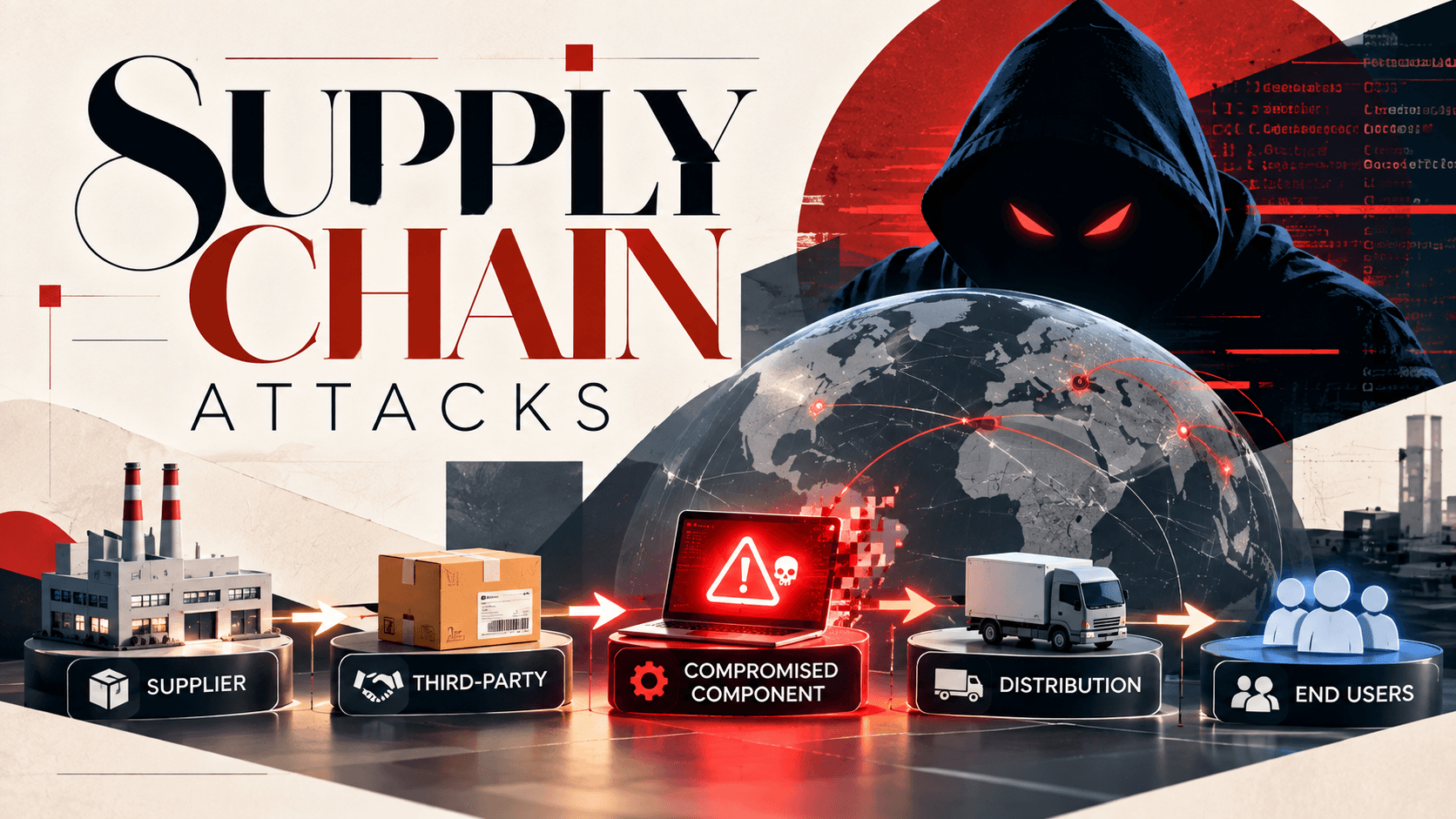
A supply chain attack is a cyberattack in which attackers compromise a trusted third party, software component, vendor, service provider, or development process to reach their actual target.
Instead of attacking an organization directly, attackers look for weaknesses in something the organization already trusts or depends on.
This makes supply chain attacks particularly dangerous because the malicious activity may enter through a legitimate software update, library, vendor connection, or service.
What Is a Software Supply Chain?
Modern organizations rarely build everything themselves.
An application may depend on:
Open-source libraries
Third-party software
Cloud services
APIs
Software vendors
Managed service providers
Build and deployment systems
Development tools
Container images
All of these dependencies form part of an organization's technology supply chain.
If one of these trusted components is compromised, attackers may use it as a path into multiple downstream organizations.
How a Supply Chain Attack Works
A simplified attack can look like:
Compromise Supplier → Modify Trusted Component → Component Reaches Customers → Malicious Code Executes → Target Compromised
For example, an attacker could compromise a software vendor's development environment and insert malicious code into a legitimate software update.
When customers install the update, the malicious component may be introduced into their environments.
Common Types of Supply Chain Attacks
1. Compromised Software
Attackers compromise software during development or distribution and insert malicious code.
Because the software comes from a trusted vendor, organizations may install it without realizing that it has been modified.
2. Open-Source Dependency Attacks
Applications frequently use third-party packages and open-source libraries.
Attackers may compromise:
Packages
Libraries
Dependencies
Maintainer accounts
Package repositories
A compromised dependency can potentially affect many applications that use it.
3. Vendor Compromise
An attacker compromises a third-party vendor that provides services to other organizations.
The vendor may have legitimate access to customer systems, making the compromised relationship useful for attackers.
4. CI/CD Pipeline Attacks
Development and deployment pipelines can become valuable targets.
If attackers compromise a build or deployment environment, they may attempt to insert malicious code into applications before those applications are released.
5. Account or Credential Compromise
Attackers may compromise developer, vendor, administrator, or service accounts that have access to software development or distribution environments.
These accounts can provide access to trusted systems without requiring a direct attack against the final victim.
6. Software Update Attacks
Software updates are normally trusted because they are expected to contain legitimate changes and security fixes.
If an attacker compromises the software development or update infrastructure, a malicious update can potentially reach many customers.
Why Supply Chain Attacks Are Dangerous
The biggest problem is trust.
Organizations may have strong security controls around their own environment but still depend on external software and services.
A compromised trusted component can therefore bypass some traditional security assumptions.
Potential consequences include:
Malware infection
Data theft
Credential theft
Unauthorized access
System compromise
Lateral movement
Operational disruption
Compromise of multiple organizations
A single successful compromise can sometimes affect hundreds or thousands of downstream customers.
How Organizations Detect Supply Chain Attacks
Security teams can monitor for:
Unexpected software behavior
Suspicious processes after software updates
Unusual network connections
Unexpected outbound traffic
Changes to application files
New or modified dependencies
Suspicious developer-account activity
Unexpected changes in build pipelines
Unusual authentication activity
Known malicious hashes, domains, or IP addresses
Organizations can also use Software Bill of Materials (SBOMs) to understand which components and dependencies exist inside their applications.
How to Protect Against Supply Chain Attacks
Organizations can reduce the risk through:
Vendor security assessments
Software composition analysis (SCA)
Dependency monitoring
SBOM management
Secure CI/CD pipelines
Code signing and signature verification
Strong developer authentication
Least-privilege access
Secrets management
Regular dependency updates
Monitoring third-party connections
Continuous security monitoring
It is also important to understand that updating software alone does not eliminate supply chain risk. Organizations must also verify where software comes from and maintain visibility into its dependencies and development process.
A Simple Example
Imagine an organization uses a popular third-party application.
Normal situation:
Vendor → Legitimate Software → Organization
Now imagine the vendor's development environment is compromised:
Attacker → Vendor → Modified Software → Organization
The organization may install the software because it appears to come from a trusted source.
This is what makes supply chain attacks different from many direct attacks.
Supply Chain Attack Chain
A simplified attack chain can be represented as:
Third-Party Compromise → Trusted Component → Distribution → Customer Environment → Execution → Impact
The exact sequence can vary depending on the attack.
Key Takeaway
A supply chain attack does not necessarily attack the final victim directly.
Instead, attackers compromise something the victim trusts—such as a vendor, software package, dependency, update mechanism, or development pipeline—and use that trusted relationship to reach the target.
In modern cybersecurity, securing your own environment is not enough. Organizations must also understand and manage the security of the technologies and third parties they depend on.
Latest posts
3 entries, most recent posts.
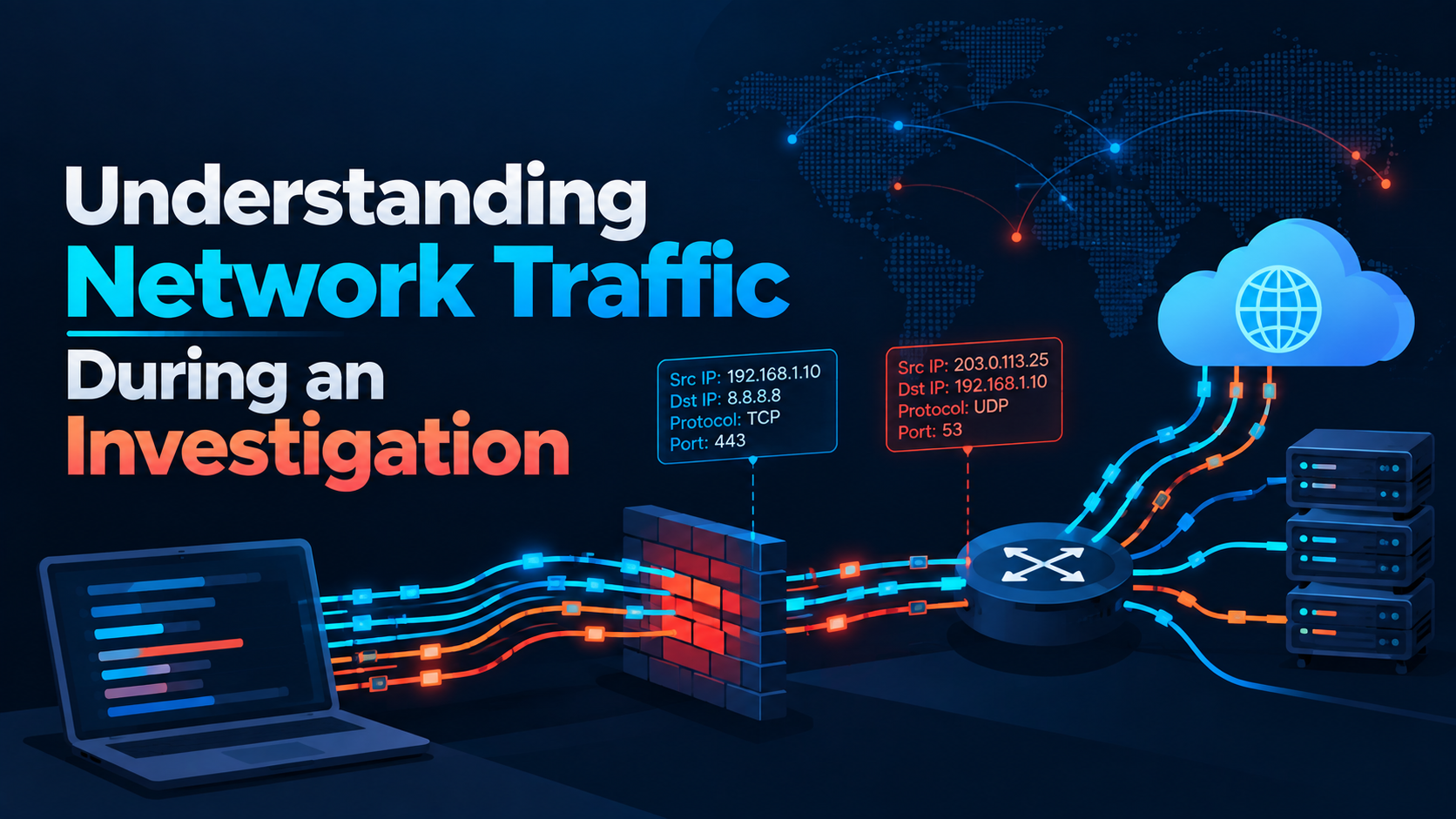
Understanding Network Traffic During an Investigation
Level: Intermediate
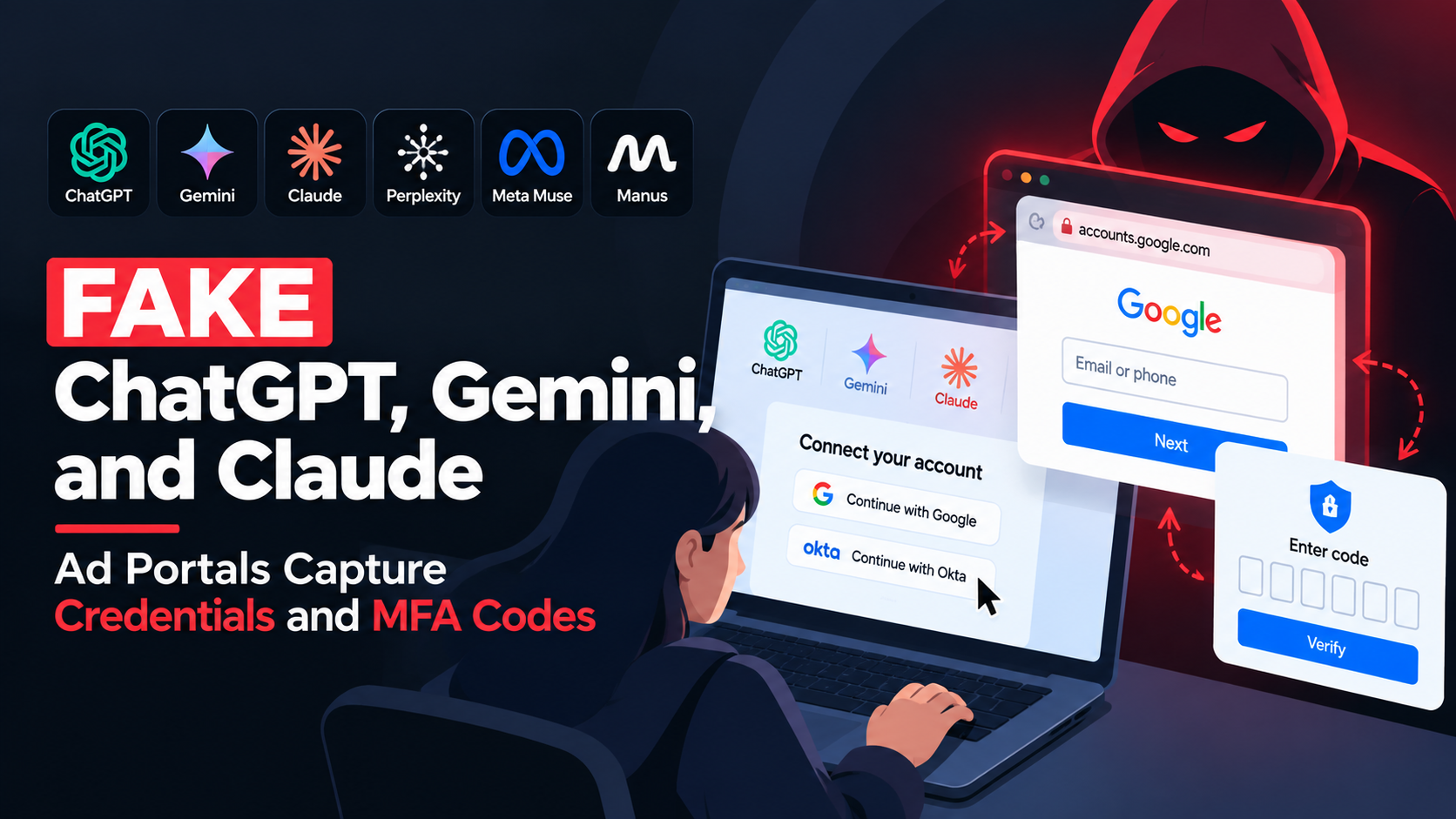
Fake ChatGPT, Gemini, and Claude Ad Portals Capture Credentials and MFA Codes
Category: Phishing / Artificial Intelligence
Citrix patches NetScaler SAML zero-day exploited in attacks
Severity: High CVSS: 8.7 Affected Products: Citrix NetScaler ADC & NetScaler Gateway Attack Type: Denial of Service / Possible Remote Code Execution